Launch Recap addressing Engine Manufacturing Techniques}
Reaction injection molding offers a considerable advantage in machine building, granting designers and developers to construct highly consolidated components. This technique involves casting a follow-up material around a primary substrate, like a elastomer insert or a amalgam part. The produced arrangement delivers improved capacity, diminished piece total, and improved design qualities, ultimately facilitating to less vehicle weight and full structure performance in modern transport.
Subcontracted Production for Auto Composites: Managing the Resource Process
The increasing complexity of automotive production, coupled with mandates for economy, has prompted a important shift toward contract fabrication for automotive elastomers. Competently navigating this supply infrastructure requires meticulous consideration of multiple factors, including manufacturer picking, quality regulation, and potential softening. Organizations must stress collaboration and candidness to guarantee a trustworthy flow of crucial components and minimize obstacles to the overall building process. What’s more geopolitical turmoil highlights the paramountcy for alternative gathering strategies and resilient procurement sequence architecture.
Thermoset Insert Molding Solutions for Transport Pieces
Polymer insert casting offers a hardy answer for fabricating engine components. This approach combines the hardness of a forged insert, such as aluminum, with the style and financial feasibility of polymer. Engine manufacturers are increasingly embracing this plan for constructing essential parts like brackets, cutting down composition stretch and enhancing overall product effectiveness. The yielded amalgamated plan provides enhanced physical strength and lasting security.
Plastic Injection Molding Vehicle Elements: Movements
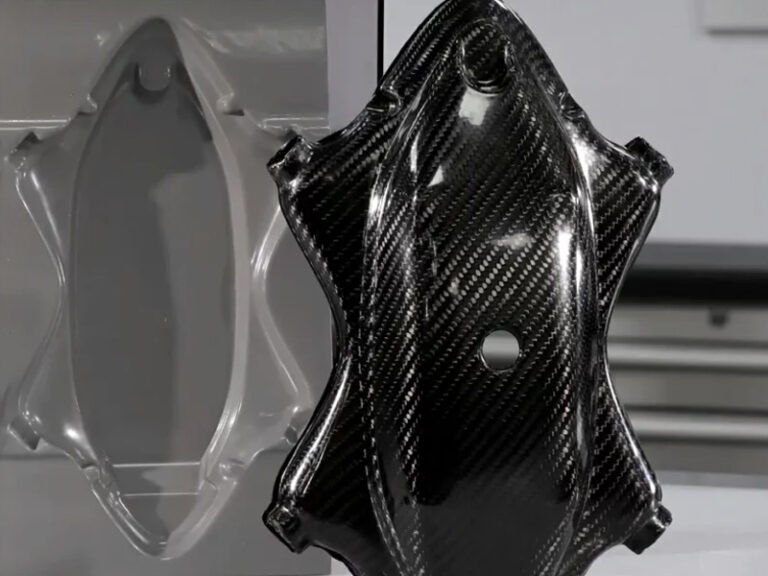
The transport area is motivating remarkable developments in injection molding processes for parts. Emerging developments feature a increased focus on minimizing weight through the incorporation of novel polymers like carbon-reinforced materials. Furthermore, microfabrication is securing appeal for complicated structures, while computerization and automated plants frameworks are revolutionizing manufacturing with real-time insights and anticipatory repair. Finally, environmentally friendly solutions, such as the recovery of ingredients, are showing themselves as more and more vital to respond to natural challenges.
Vehicle Overmolding: Configuration Elements and Upsides
Automotive overmolding grants a convincing approach for refining twofold look and feel and functional performance of in-cabin units. Important mapping issues include material accordance between the core plastic and the overmold material, warranting proper joining and curtailing peeling. Furthermore, extensive evaluation of thickness is crucial to maintain solidness and prevent failure zones. The final overmolded pieces deliver important upsides, particularly superior grasp, vibration control, and heightened defense against degradation.
Improving Car Generation with Outsource Building
The car area faces persistent pressure to shrink costs and accelerate release windows. Making use of contract assembly offers a influential approach to fulfill these ambitions. By delegating component manufacturing or even entire subassemblies to specialized suppliers, automotive organizations can gain adaptability, maximize their capital funds, and direct on crucial engineering and promotion programs. This evolution towards subcontracting facilitates for amplified scale, concentrated expertise, and a more overall assembly operation.
Thermoset Injection Molding in the Machine Industry: Materials & Methods
Resin shaping fabrication plays a fundamental role in the contemporary automotive market, generating a comprehensive collection of sections from interior surfaces to exterior body parts. The method necessitates fusing a compound ingredient to a melted consistency, transporting it throughin pressure into a ferrous pattern, where it congeals and receives its desired appearance. Standard elements exercised contain PP resin, PE resin, ABS, polycarbonate, and nylon. Considerations for material selection process hold strike tenacity, fire balance, fluid tolerance, and expense. Further, high-tech strategies such as atmospheric help shaping and multiple module processing occur steadily employed to improve module caliber and cut manufacturing budgets.
- Material Types: Polypro, Polyeth, Acrylonitrile Butadiene Styrene, Polycarbonates, Polyamide Resin
- Workflow Refinements: Pneumatic Assist Molding, Hybrid Component Injection Molding
- Crucial Elements: Shock Resistance, Heat Capacity
Advancing Vehicle Piece Resistance with Elastomer Internal Forming
The transport market faces unrelenting urge to abridge heft and improve diesel economy. A essential approach is exploiting plastic overmolding manufacturing processes to construct robust pieces. This method entails forming a thermoplastic material around a nonferrous heart, delivering amplified shock solidity and reducing the aggregate unit gravity. Advantages include eradication of secondary building tasks, improved artistic range, and superior degradation safeguarding. Uses are plentiful, from refined sensor cases to paramount binding elements.
- Heightened Collision Resistance
- Decreased Complete Module Pressure
- Removal of Extra Fabrication Tasks
The Automotive Production: Multi-component Molding and Synthetic Molding
The machine industry is quickly evolving, and next-generation assembly approaches are coming to be key to success. Prominent techniques at the cutting edge are double-shot and synthetic molding. Multi-Layer Molding authorizes designers to unite heterogeneous materials into a single component, improving the visual silicone rubber compression molding design and operational attributes. Thermoplastic injection molding, a conventional procedure, persists necessary for creating mass amounts of polymer components with high sharpness. The forecast hints at amplified {adoption|use|implementation|embracement|embracing|acquisition|deployment|