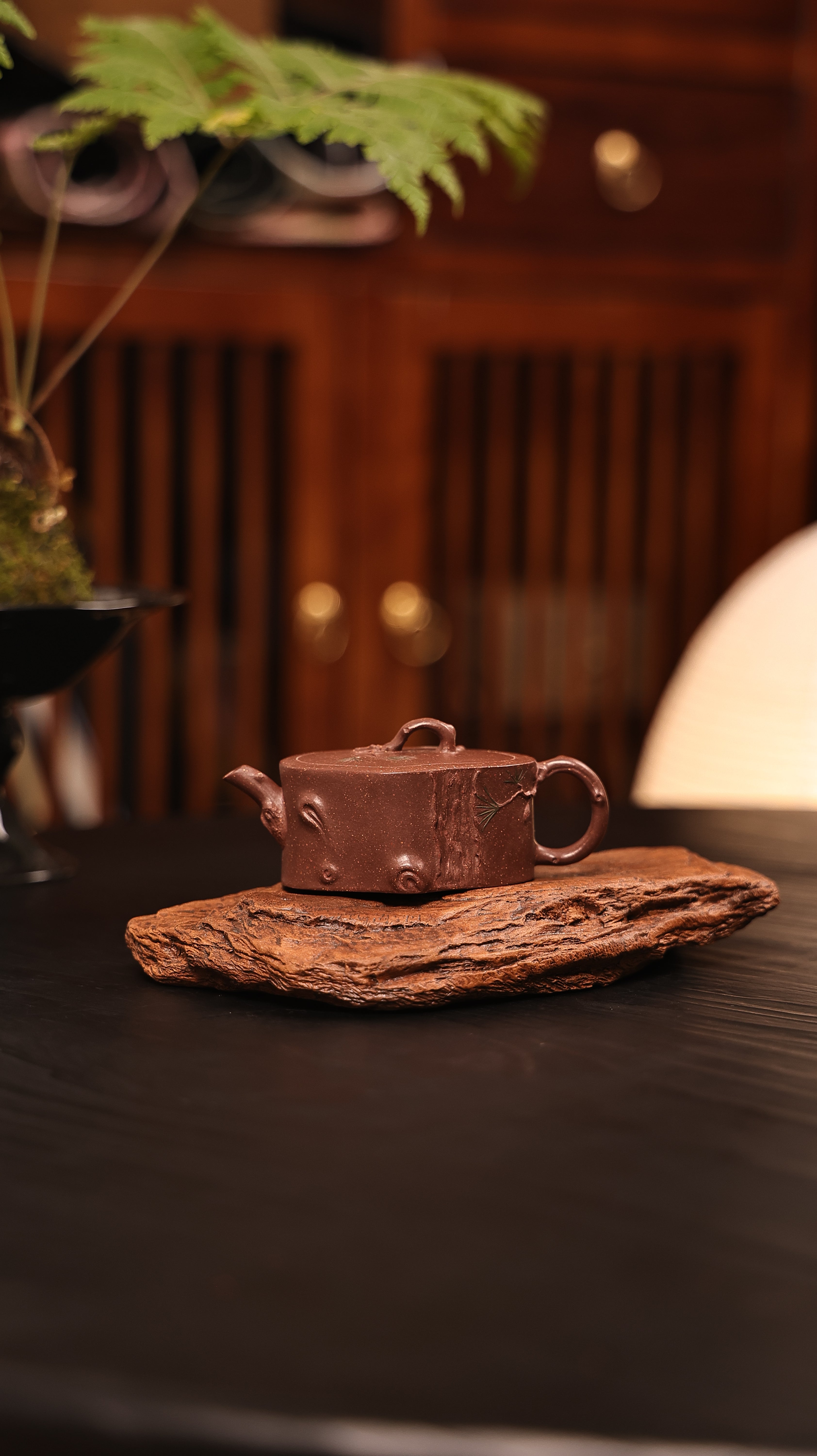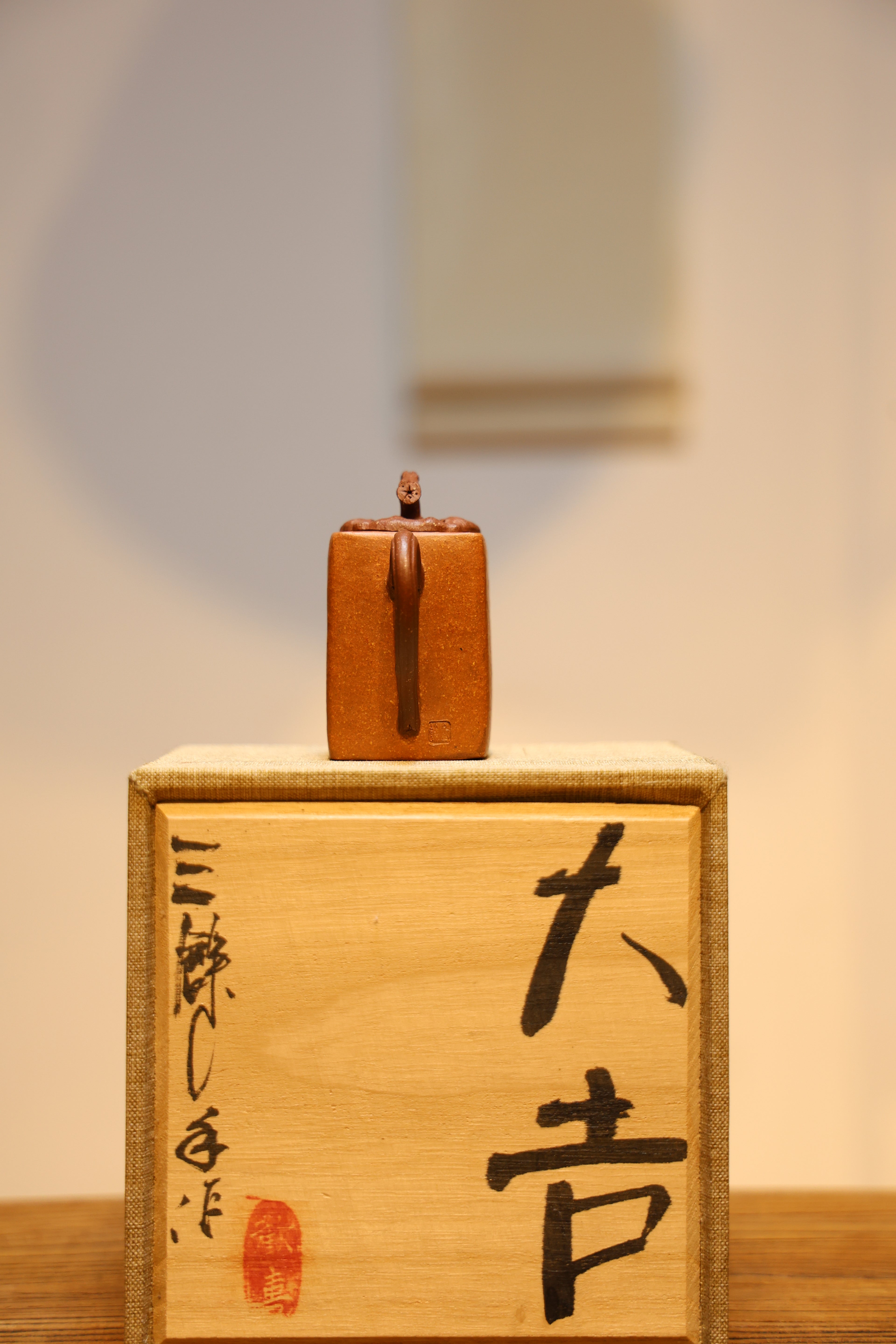
Enduring lineage defines Jiangsu earthenware via periods,
Illustrating distinctive qualities sourced inside indigenous aubergine particles, those earthenwares gain a luster amid utilization, refining aroma drawn from infused infusions.
Comprehending Yixing Soil: In-Depth Insights into Zisha
Numerous followers honor the unparalleled fabric of Yixing lavender clay, a keystone of heritage Chinese teaware. Emerging from the Yixing region of Jiangsu province, this rare clay shows an refined mineral blend, whichever imparts outstanding qualities to the realized objects. Models within Zisha, including Jiang Mud, Duan Ni Mud, and Jiang Xi Mud, each presents unique colors, structures, and drying traits, altering the permeability and the peak note enhancement of the infusion.
Celestial Jar Heritage: Investigating Innovation
Far Eastern teapots embody far more mere flasks for liquid; they embody centuries of inherited artistry. From the renowned Yixing clay variations, respected for their spongy nature which adds distinctive nuances to the brew, to the fine porcelain from Jingdezhen, each piece unfolds a tale of artistry. The construction process is an intricate operation, often handed over through bloodlines of masters. These experts use historic methods such as hand-building, sculpting on wheels, and decorating, demonstrating profound reverence for the component and the practice itself. Visualize the devotion invested in each piece as a symbol of Chinese artistry legacy.
- Purple sand flasks: a iconic offer.
- Translucent pottery teapots: noted for their lightweight design.
- Hand-building techniques: a laborious yet rewarding procedure.
Eastern Clay Kettle Protection: Sustaining Your Valuable Artifact
Fitting upkeep of your distinguished Yixing Zisha jar is essential to prolonging its beauty. Crafted from renowned purple sand soil, these exceptional teapots gain a warm patina after use, considerably boosting their allure. Withhold detergents; a mild rinse with comfortable warmth hydraulic medium is enough. Shun heated water for cleaning the teapot, as it may crack its composition. Allow it to become dry away from intense sunshine. Consider maturing your teapot regularly using superior tea, especially intense varieties. Here is a brief summary:
- Cleanse with pleasantly warm aqueous.
- Avoid soaps.
- Permit it to desiccate.
- Treat with top-grade tea.
Beginnings of Yixing Teapots: Commencement
The record of Yixing teapots begins simply during the Tang dynasty, approximately the 16th era. Initially, these pots were not the cherished artifacts they are valued presently. They were created by provincial potters using the sole purple clay harvested solely in the Yixing vicinity. These early pieces were essentially utilitarian, fashioned for frequent practice and often ordinary in composition. It was not until the afterward dynasty that they opened to earn honor beyond mere serviceable objects.
Opting For the Best Purple Pot: A Starter's Explanation
Starting the field of Yixing teapots can be formidable, but never fearing! For beginners, the central factor is understanding the sediment. Legitimate Yixing clay is prized for its ventilation, allowing the teapot to retain the tea's flavor over time, heightening every extracting session. Evaluate the shape; traditional round shapes prevail, yet specific preferences influence. Lastly, assess the surface—while some favor an basic appearance, others value a mild gloss. Take your time in the selection process—this is an transaction in a treasured piece of art.
Traditional Clay Jars and Their Effect on Chinese Tea Ceremony
Zisha pots, originating from Yixing, China, have profoundly changed established Chinese tea culture. Those Yixing clay teapots, prized for their distinctive cast, surface, and exceptional ability to impart a subtle flavor to the liquid, are more than mere utensils; they are respected works of art and symbols of greatness. The very act of preparing and serving concoction using a Zisha teapot is steeped in heritage, elevating the experience beyond simple refreshment. Generations of artisans have mastered their techniques, passed down through Zisha Teapot families, resulting in highly esteemed pieces. As a result, Zisha teapots are frequently held, playing a crucial part in cultivating national appreciation for aesthetics and the ritual of drink ceremonies.
- Singular Clay Composition
- Providing Subtle Flavor
- Detailed Craftsmanship
Determining Verified Precious Regional Pottery
Procuring a genuine Yixing teapot can be a satisfying experience, but the environment is often infested with frauds. Differentiating between a original antique and a modern reproduction requires detailed inspection. Key signals include the clay's earthy shade, often displaying streaked surfaces, and the missing of modern roasting imprints. The form should present natural beauty, reflecting the traditional Yixing aesthetic. Finally, investigating the manufacturer's signature is important to verify accuracy against documented records.
- Assess the clay's makeup.
- Look for anomalies, indicative of handmade quality.
- Ask an advisor for verification.
Considering Purple Pitchers: A Comprehensive Handbook to Clay Ware Review
The industry of 宜兴 Zisha containers grants a noteworthy circumstance for discerning enthusiasts. Continuously, the market price of these well-made artifacts is steered by distinct factors, such as the grade of purple clay, the mastery of the creator, the heritage relevance, and, naturally, the contemporary popularity. Initiates should familiarize themselves on comprehending the numerous types of Zisha clay—such as Binghu, 杜宁, and 紅泥—and getting acquainted with the characteristics linked to each. Careful examination of the vessel's shape, complexion, and badge is correspondingly paramount to make educated judgments when investing.