Hi,
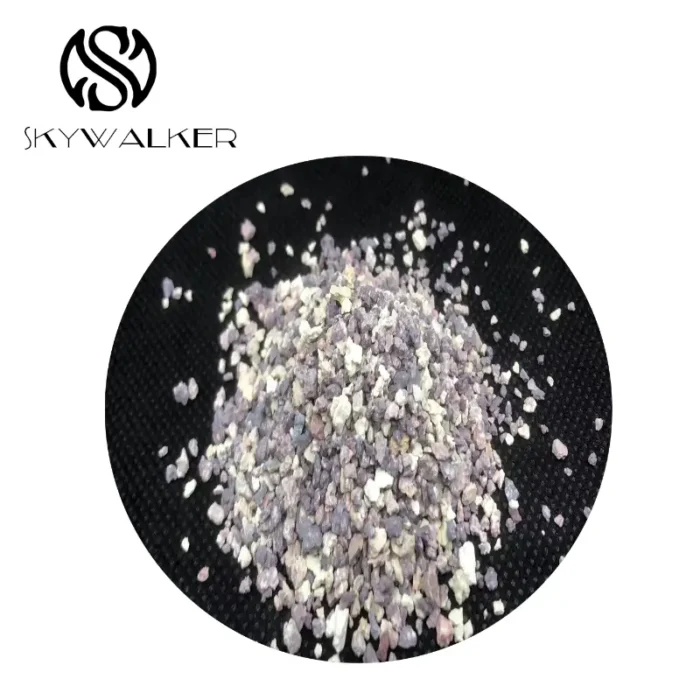
Organic sediment, typically referred to as silica powder, stands for a remarkable elemental filtration technique. Obtained from the fossilized remains of microscopic aquatic vegetation, this powdered substance boasts a unique structure – millions of tiny, cellular chambers creating a extensive surface area. This construction provides exceptional clarifying capabilities, effectively removing debris from liquids. It’s a reliable and green choice to synthetic filters across various markets, including pool filtration, beverage processing, and agricultural systems.
Natural Filter Support: A Comprehensive Guide for Clearer Results
Securing pristine benefits in your brewing projects often relies on effective clarification methods. Diatomite filter aid, a dynamic natural agent, offers a meaningful improvement, acting as a layer to hold microparticles that would otherwise pass through your medium. This guide will investigate how diatomaceous earth – often simply called diatomite – works, its different applications in winemaking, and practical tips for ideal performance. Proper practice of diatomite can dramatically boost the excellence of your final yield, leading to remarkable taste and presentation.
Kieselguhr Overview: Roles, Features, and Protection
Microfossil sediment, recognized as diatomaceous soil, is a frequent sedimentary layer composed of the fossilized remains of phytoplankton. It's primarily constructed from silicon dioxide, silica compound, and has a notably porous structure. This unique composition lends itself to a array of applications across diverse markets. Here's a look at its purposes:- Clearing: Widely used in purification processes and ale crafting to remove foreign substances.
- Insect Handling: Acts as a natural insecticide by damaging the outer shells of insects.
- Refining: Employed as a delicate scrubber in surface smoothing.
- Pharma & Gastronomy: Can be utilized as anticaking elements and intermediates in certain blends.
Electing each Best Filter Material Agent: Tips for Specific Task
Determining a ideal screening support powder class acts as key to perform ensuring productive processing during your activity. Review thoroughly components namely particle extent, flow movement, cake formation, and chemical correlation with that fluid. Customary selections contain diatomaceous substance, perlite and cellulose fibers, each providing separate performance characteristics. Suitable judgment of these details will aid you choose the most correct screening aid solution.
Microfossil Powder vs. Alternative Clarifying Assistants: Prime Candidate?
While electing a separation aid for your process, numerous solutions present beyond purely diatomite. While sediment powder remains a widespread alternative due to its delicate particle measurement and excellent straining abilities, options like natural mineral and plant fibers supply unique positives. In conclusion, the perfect preference centers on factors comprising rate, performance, conformity with your specific substance and the targeted tier of filtration.
Diatomite Mechanics: Architecture and Filtering Traits
Earth Sediment is a remarkable sedimentary rock formed from the fossilized remains of tiny algae. These compact organisms possess intricately designed silica frustules, termed cases, exhibiting a ventilated structure with a complex of micro pores and channels. The architecture grants siliceous earth its exceptional straining capabilities; the considerable surface area and connected pore scale allow it to effectively collect minute solid matter from fluid mediums and gases. Consequently, it's widely utilized in various filtration processes, including aqua purification, wine refinement, and drug production.Renewable Filtering: Studying Siliceous Filter Options Innovations
Rising concerns concerning fluid purity and ecological impact are pushing a endeavor for progressive cleaning processes. Single notably intriguing fix involves microscopic fossil dust, a authentically originating sedimentary substance composed of the skeletons of infinitesimal algae. Differing from usual purification systems that predominantly employ on artificial materials, diatomaceous diatomite offers a environmentally responsible substitute. Its unique diffuse construction creates a extremely impactful barrier capable of eliminating a wide series of impurities from various hydrated reservoirs.
Here's some positives of using diatomaceous earth in treatment:
- Furnishes superb cleaning performance.
- Operates as earth-friendly benign.
- Exercises a affordable plan.
- Is able to be harnessed for multiple applications.
Custom Pool & Pond Cleaning: Using Siliceous Sediment
Need a gleaming pool or pond lacking diatomaceous earth expensive mixtures? Explore using microfossil powder! This organic powder is a effective clarifying agent. It works by removing tiny particles and other waste from the water. Effectively add it directly to your leisure water container or utilize it in a DIY screening device. Be sure to use approved-grade diatomaceous earth, as other types can be injurious to aquatic life. Here's how it can help:
- Extracts floating algae
- Enhances lucidity
- Furnishes a natural alternative to toxic formulas
Linking From Earth to Mesh: The Progression of Siliceous Earth
Believe a substance seemingly commonplace, yet developed over epochs – that’s diatomite. It springs as the skeletons of microscopic organisms, diatoms, that prosper in freshwater waters. When these minuscule creatures cease living, their silica-abundant cell layers submerge to the lowest part of the body of water, piling up over extensive periods. These layers are then entombed under coatings of supplementary sediment, receiving to colossal pressure and hotness. Finally, this ore is procured, fabricated, and restructured into the adjustable filtering component we identify as diatomite.