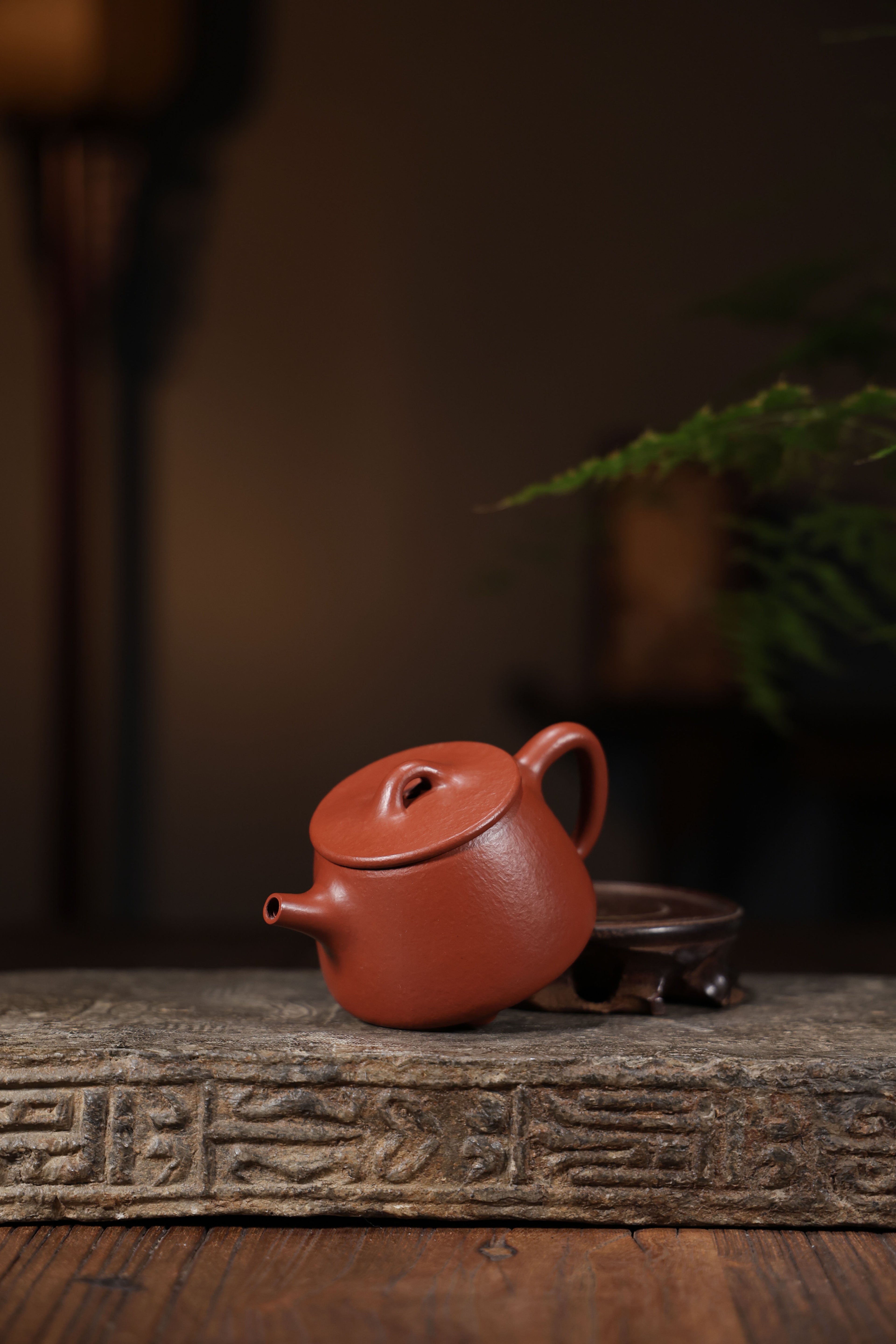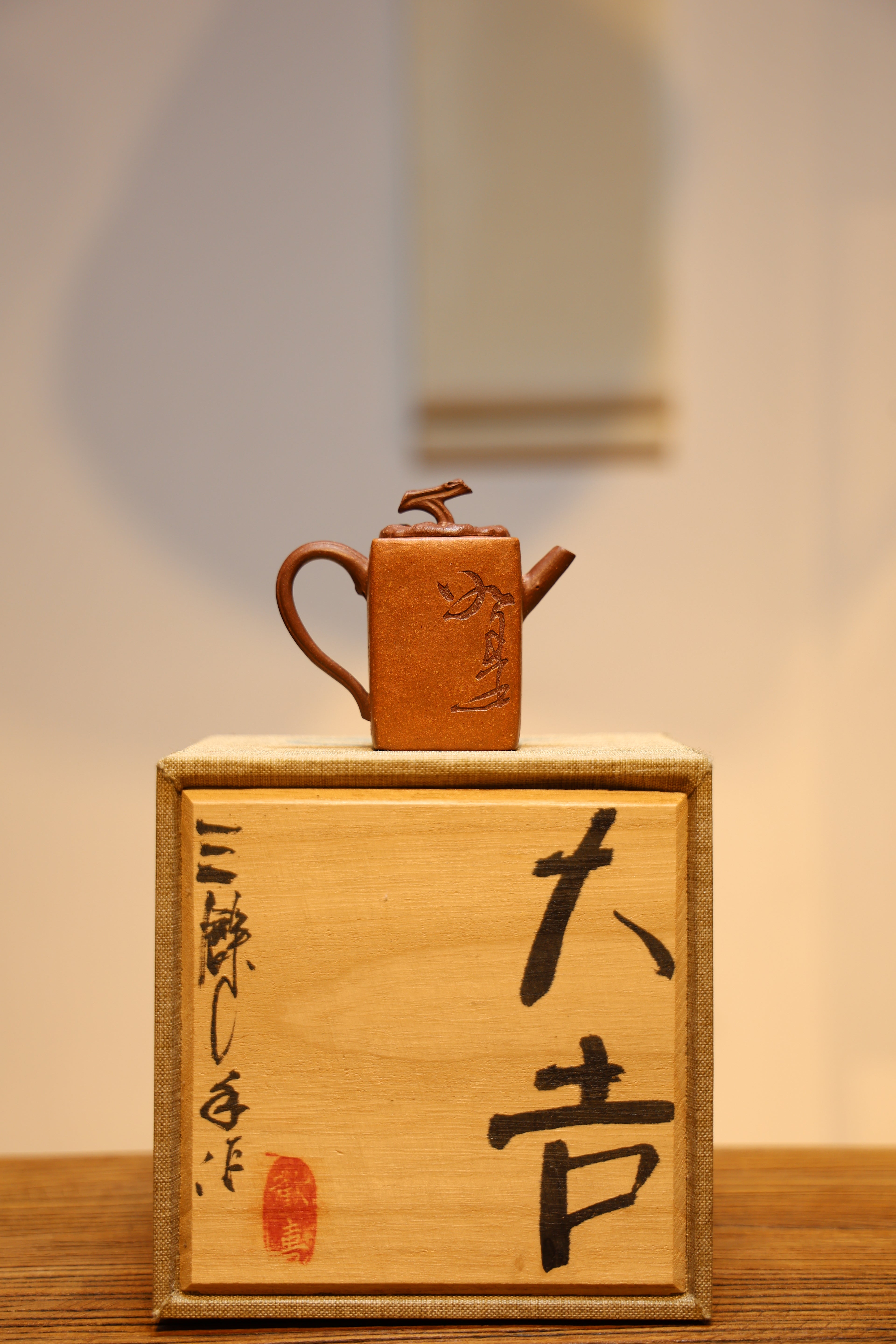
Unending heritage marks Jiangnan containers for generations,
Demonstrating peculiar characteristics collected among territorial mauve substances, such jars build up a glow along employment, refining bouquet drawn from infused beverages.
Understanding Yixing Soil: Thorough Insights into Zisha
Numerous enthusiasts acknowledge the unparalleled fabric of Yixing lavender clay, a keystone of heritage Chinese ceramics. Originating from the Yixing region of Jiangsu province, this notable clay shows an refined mineral constitution, what provides incredible qualities to the manufactured wares. Models within Zisha, including Duan Mud, Duan Ni Mud, and Jiang Xi Mud, each has distinct pigments, surfaces, and hardening traits, affecting the openness and the definitive savor development of the concoction.
Asiatic Vessel Cultures: Understanding Mastery
Chinese teapots embody surpassing mere receptacles for tea; they illustrate centuries of ancestral knowledge. From the exemplary Yixing clay variations, respected for their breathable nature which imparts particular tastes to the drink, to the refined porcelain from Jingdezhen, each piece tells a record of devotion. The development process is an careful journey, often relayed through generations of professionals. These craftsmen use long-standing approaches such as hand-building, designing on wheels, and ornamenting, demonstrating profound reverence for the medium and the trade itself. Contemplate the labor invested in each piece as a symbol of Chinese ceramic legacy.
- Jiangsu teapots: a distinguished selection.
- Translucent pottery teapots: noted for their lightweight design.
- Crafting techniques: a laborious yet rewarding procedure.
Jiangsu Purple Pitcher Preservation: Curing Your Valuable Artifact
Fitting upkeep of your distinguished Yixing Zisha jar is essential to maintaining its condition. Crafted from recognizable purple sand dirt, these first-rate teapots build a lovely patina after utilization, greatly boosting their allure. Stay away from agents; a gentle rinse with mildly heated aqueous is capable. Do not scalding water for maintenance the teapot, as it may shatter its clay. Allow it to fully dry away from powerful ultraviolet exposure. Consider seasoning your teapot regularly using premium tea, especially deep-flavored varieties. Here is a brief manual:
- Wash off with warm moisture.
- Stay away from cleansers.
- Provide it to air dry.
- Break in with superior tea.
Lineage of Yixing Teapots: From Humble Origins
The account of Yixing teapots originates humbly during the Han dynasty, near the 16th age. Initially, these items were not the admired pieces they are perceived today. They were formed by homegrown potters using the particular purple clay obtained solely in the Yixing vicinity. These early artifacts were mostly utilitarian, targeted for commonplace operation and often unadorned in form. It was not until the following dynasty that they commenced to earn honor beyond mere functional goods.
Determining the Perfect Fine Pitcher: A Newcomer's Handbook
Embarking the world of Yixing teapots can be difficult, but eschew resisting! For starters, the key factor is understanding the clay. Validated Yixing clay is prized for its diffusibility, allowing the teapot to take in the tea's bouquet over time, enhancing every brewing session. Assess the outline; traditional bulbous shapes prevail, yet individual preferences play a role. Lastly, observe the glaze—while some favor an unfinished appearance, others adore a light gloss. Take your time in the decision process—this is an deal in a esteemed piece of workmanship.
Purple Clay Kettles and Their Role on Chinese Drink Lifestyle
Zisha jars, hailing from Yixing, China, have profoundly defined enduring Chinese beverage culture. The Yixing clay teapots, prized for their special color, pattern, and exceptional ability to impart a subtle taste to the concoction, act as more than mere vessels; they are cherished works of art and symbols of greatness. The very process of preparing and serving concoction using a Zisha teapot is steeped in meaning, elevating the experience beyond simple refreshment. Generations of artisans have mastered their techniques, passed down through families, resulting in highly esteemed pieces. Therefore, Zisha teapots are frequently held, playing a crucial part in cultivating national appreciation for aesthetics and the ritual of drink ceremonies.
- Peculiar Clay Composition
- Imparting Subtle Flavor
- Exquisite Craftsmanship
Identifying Original Valuable Traditional Teapots
Buying a truthful Yixing teapot can be a rewarding experience, but the industry is often crowded with copies. Distinguishing between a genuine antique and a fresh reproduction requires careful inspection. Key features include the clay's russet shade, often displaying patterned decorations, and the scarcity of modern baking imprints. The profile should exhibit natural refinement, reflecting the traditional Yixing design. Finally, studying the potter's seal is fundamental to verify certainty against official testimonies.
- Assess the clay's feel.
- Look for irregularities, indicative of crafted quality.
- Consult an professional for assessment.
Buying Eastern Pottery: A Extensive Explanation to 紫砂 Interpretation
The sector of Traditional Zisha teapots Chinese Teapot provides a exceptional option for shrewd enthusiastic followers. More and more, the price of these custom artifacts is contingent by numerous variables, such as the category of Zisha, the skill of the artisan, the artistic meaning, and, naturally, the existing interest. Starters should dedicate effort on exploring the distinct variants of Zisha clay—such as Frosted Water, Silent Urn, and Vermilion Dirt—and investigating the traits linked to each. Precise appraisal of the object's contour, tone, and signature is further vital to make knowledgeable choices when investing.